

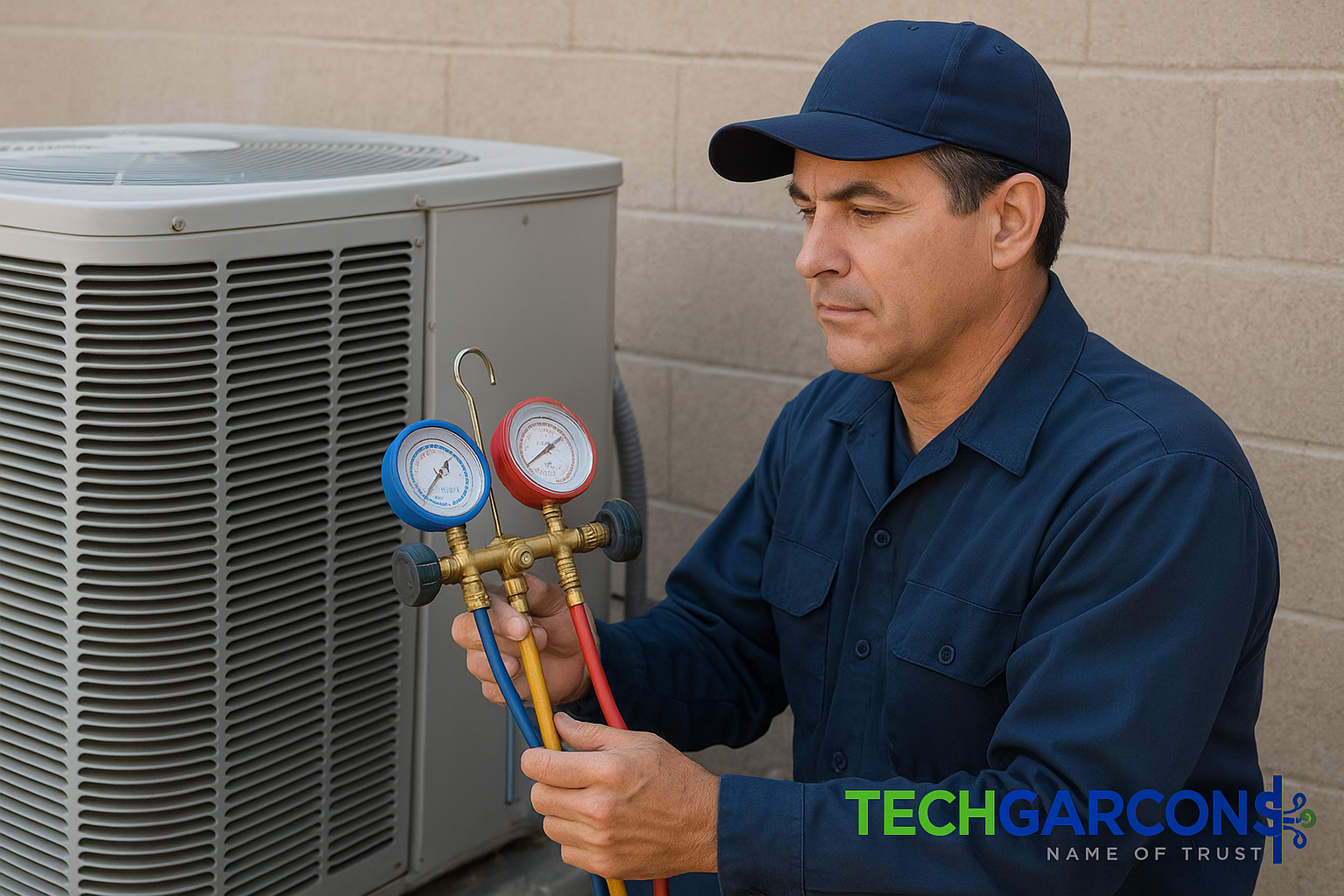
Introduction: Why Starting an HVAC Business?
The heating, ventilation, and air conditioning (HVAC) industry is one of the most stable and fast-growing service industries worldwide. Whether it is residential homeowners needing seasonal maintenance or commercial properties requiring advanced climate control, HVAC services are always in demand. With climate changes, energy efficiency concerns, and smart technology integration, the HVAC sector is experiencing unprecedented growth.
According to the U.S. Bureau of Labor Statistics, employment of HVAC mechanics and installers is projected to grow faster than the average of all occupations. In 2025 and beyond, demand for eco-friendly HVAC systems, smart thermostats, and green building technologies will further fuel business opportunities.
Starting an HVAC business can be a profitable and rewarding path for entrepreneurs. However, success requires much more than technical knowledge—it demands planning, financial investment, customer service skills, and strong marketing strategies. This guide will break down every step of starting and running an HVAC business, from certifications to scaling into a franchise.
Benefits of Starting an HVAC Business
1. High Demand and Stability
HVAC is a non-discretionary service. When systems break down in extreme weather, customers call immediately, regardless of the economy. Unlike some industries, HVAC thrives even in downturns.
2. Recurring Revenue Opportunities
Maintenance contracts create long-term customer relationships. An HVAC business doesn’t just rely on one-time installations—it thrives on seasonal check-ups, filter replacements, and system upgrades.
3. Flexibility in Services
An HVAC business can offer:
- Residential services
- Commercial contracts
- Emergency repairs
- Green HVAC consulting
- Smart system installations
4. Scalability
You can start small as a one-person operation and grow into a multi-location company. Many large HVAC corporations began as small, local businesses.
5. Profit Margins
HVAC businesses have healthy margins, especially for emergency services. Installation jobs can generate 30–50% profit margins with the right pricing model.
Step-by-Step Guide to Starting an HVAC Business
Step 1: Conduct Industry Research
Before investing, study your local market. Research:
- Competitor pricing
- Customer demand by season
- Most requested services (repairs, duct cleaning, new installations)
- Regulations in your area
This will help you find gaps and opportunities.
Step 2: Get the Right Training and Certifications
HVAC is a technical trade requiring certification. Depending on your location, you may need:
- EPA Section 608 Certification (U.S.) for refrigerants
- Local contractor licenses
- Apprenticeships or trade school programs
Invest in continuous learning as HVAC technology evolves (smart HVAC, IoT, renewable systems).
Step 3: Write a Detailed Business Plan
Your HVAC business plan should include:
- Mission statement
- Market analysis
- Services offered
- Pricing strategy
- Marketing plan
- Startup costs and revenue forecast
A clear business plan is essential for attracting investors and getting loans.
Step 4: Calculate Startup Costs
HVAC startup costs vary from $10,000 to $100,000 depending on scale.
| Expense Category | Estimated Cost Range |
|---|---|
| Licensing & Certification | $1,000 – $5,000 |
| Tools & Equipment | $5,000 – $20,000 |
| Service Vehicle (Van/Truck) | $15,000 – $30,000 |
| Inventory & Parts | $3,000 – $10,000 |
| Insurance | $2,000 – $6,000 annually |
| Marketing & Website | $2,000 – $8,000 |
| Office/Shop Rental | $500 – $2,000 monthly |
Step 5: Register Your Business & Get Insurance
- Choose a business structure (LLC, sole proprietorship, corporation)
- Get a tax ID (EIN in the U.S.)
- Obtain liability insurance, workers’ compensation, and equipment coverage
Step 6: Buy Tools, Equipment, and Vehicles
Essential tools include refrigerant recovery machines, leak detectors, HVAC gauges, ladders, drills, and safety gear. A reliable service vehicle is crucial for carrying tools and parts.
Step 7: Develop a Strong Marketing Strategy
Marketing is where most HVAC startups fail. To succeed:
- Local SEO: Optimize Google Business Profile, target “HVAC services near me.”
- Website Optimization: Add service pages, FAQs, and blogs.
- PPC Advertising: Google Ads for emergency services.
- Referral Programs: Encourage word-of-mouth marketing.
- Seasonal Discounts: Target peak demand in summer and winter.
- Social Media: Showcase before/after projects.
Step 8: Offer Maintenance Contracts
Service contracts guarantee recurring revenue and customer loyalty. Example: Annual HVAC service contracts can range from $150–$500 per customer per year.
Step 9: Hire Skilled Staff
Hire certified technicians with strong customer service skills. Offer training programs and incentives to retain employees.
Step 10: Scale Your Business
Once profitable, expand by:
- Adding more technicians
- Opening branches
- Offering specialty services like green HVAC solutions
- Considering franchising
Challenges and Solutions in HVAC Business
- Seasonal Demand: Offer off-season promotions.
- Competition: Differentiate with customer service and energy-efficient solutions.
- Labor Shortages: Partner with trade schools to find talent.
- High Startup Costs: Use leasing options for equipment.
Future Trends in HVAC
- Smart HVAC Systems: IoT-based thermostats.
- Green HVAC: Solar-powered units, eco-friendly refrigerants.
- AI & Predictive Maintenance: AI diagnosing issues before breakdowns.
- Regulatory Changes: Stay updated on energy-efficiency laws.
FAQs
Q1: How much does it cost to starting an HVAC business?
Starting costs range from $10,000 to $100,000, depending on business size.
Q2: Do I need a license?
Yes, licenses are mandatory in most regions. Check local regulations.
Q3: Is HVAC profitable?
Yes, especially with recurring maintenance contracts and emergency services.
Q4: How long before HVAC business becomes profitable?
Typically within 12–18 months with proper marketing.
Q5: What services should I start with?
Focus on repairs, maintenance, and installations. Expand later.
Q6: How can I market my HVAC business?
SEO, local ads, referral discounts, and seasonal promotions.
Q7: Do I need office space?
Not immediately. Many HVAC startups begin from home with a service vehicle.
Q8: Can HVAC be a franchise?
Yes, many HVAC companies expand through franchising after proving success.
Q9: What is the future of HVAC?
Smart, green, and energy-efficient solutions dominate the future.
Q10: Can I run an HVAC business solo?
Yes, but scaling requires hiring technicians.
Conclusion
Starting an HVAC business in 2025 is one of the best entrepreneurial moves due to the rising demand for energy-efficient climate solutions. With the right training, licenses, and a well-structured business plan, even small startups can grow into profitable companies.
Remember: Success in HVAC is not just about technical expertise—it’s about customer trust, marketing, and consistent service quality. Build strong customer relationships, adapt to industry trends, and your HVAC business can scale into a long-lasting enterprise.




Another thing I have really noticed is that for many people, a bad credit score is the reaction of circumstances outside of their control. By way of example they may be actually saddled with illness and as a consequence they have excessive bills going to collections. It could be due to a work loss or maybe the inability to work. Sometimes separation and divorce can send the money in the wrong direction. Thanks sharing your thinking on this blog.
Wow, fantastic blog layout! How long have you been blogging for? you make blogging look easy. http://www.kayswell.com The overall look of your site is great, let alone the content!
One more thing is that when you are evaluating a good internet electronics retail outlet, look for web stores that are consistently updated, preserving up-to-date with the latest products, the best deals, and helpful information on products. This will ensure you are handling a shop which stays over the competition and give you what you ought to make knowledgeable, well-informed electronics purchases. Thanks for the vital tips I’ve learned through your blog.